
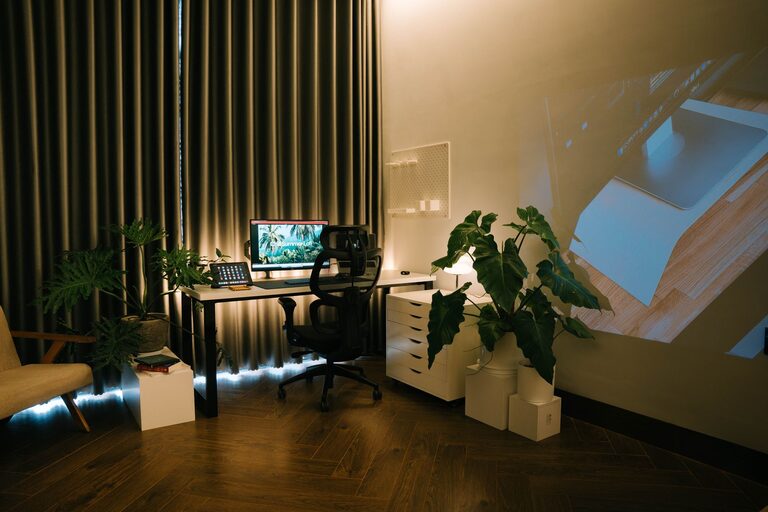
How to Create a Relaxing Home Workspace for Better Focus
Creating a relaxing home workspace is essential for anyone working remotely or spending significant time at a desk. A well-designed environment can improve focus, reduce stress, and boost overall productivity. In this post, we will explore simple yet effective ways to transform your home workspace into a tranquil and inviting area.
Why a Relaxing Workspace Matters
Your workspace directly influences how you feel and perform during the day. A cluttered or uncomfortable area can increase distractions and fatigue. On the other hand, a calming environment helps maintain mental clarity and encourages sustained concentration. The goal is to design a space that supports your work needs while promoting relaxation.
Choose the Right Location
Find a Quiet Spot
Select a part of your home that is quiet and has minimal foot traffic. This helps prevent interruptions and allows you to focus on your tasks.
Consider Natural Light
Workspaces near windows offer natural light, which can improve mood and reduce eye strain. If natural light isn’t available, use soft, adjustable lighting that mimics daylight.
Ergonomics for Comfort
Invest in a Comfortable Chair
A supportive chair with adjustable height and good lumbar support can make a big difference in comfort during long work hours.
Position Your Desk Properly
Place your desk so that your screen is at eye level and your arms rest comfortably while typing. This setup prevents neck and shoulder strain.
Declutter and Organize
Minimize Desk Items
Keep only essentials on your desk to reduce distractions. Use organizers or trays to store stationery and gadgets neatly.
Use Storage Solutions
Shelves, drawers, and boxes help keep papers and supplies organized and out of sight, contributing to a clean workspace.
Incorporate Calming Elements
Choose Soothing Colors
Soft, neutral colors like pastels, creams, and light blues create a peaceful atmosphere. Avoid overly bright or harsh colors that might cause tension.
Add Greenery
Plants not only improve air quality but also add a touch of nature, which can be calming and refreshing.
Use Aromatherapy
Scented candles or essential oil diffusers with relaxing aromas like lavender or eucalyptus can promote a peaceful mood.
Personalize Your Space
Display Inspiring Items
Add a few personal touches such as photos, artwork, or motivational quotes that make your workspace feel inviting without causing clutter.
Use Comfortable Textiles
A soft rug or a cozy throw can add warmth and softness to the room, making you feel more at ease.
Manage Noise and Distractions
Use Noise-Cancelling Headphones
If your space is noisy, headphones can help block out distractions and allow for better focus.
Set Boundaries
Communicate your work hours and space boundaries to family or housemates to minimize interruptions.
Maintain a Routine and Clean Space
Regularly Tidy Up
Spend a few minutes at the end of each day organizing your desk to start fresh the next morning.
Take Breaks Outside
Step away from your workspace periodically to stretch or get fresh air. This refreshes your mind and body.
Final Thoughts
Creating a relaxing home workspace is about balancing functionality with comfort. By paying attention to lighting, ergonomics, organization, and personal touches, you can build a work environment that supports your productivity and well-being. Remember to tailor these tips to your preferences and needs for the best results.
