
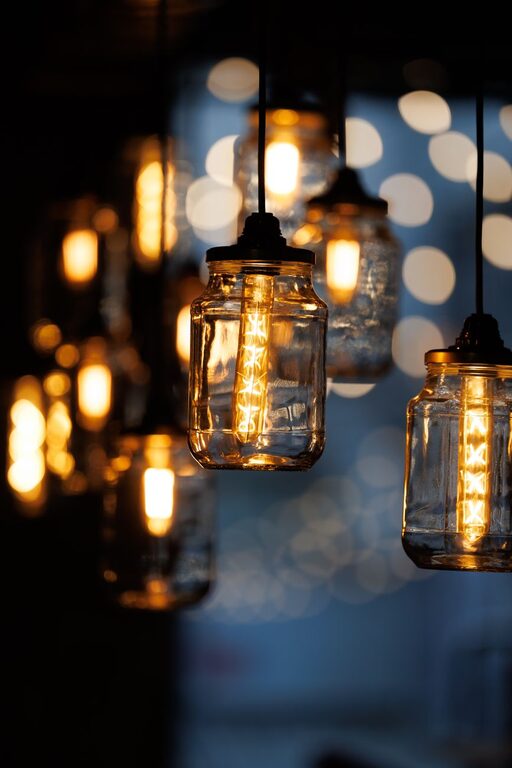
Tips for Choosing Comfortable Home Lighting That Enhances Your Space
Choosing the right lighting for your home is essential to create a comfortable and inviting atmosphere. Lighting affects not only the aesthetics of a room but also your mood, productivity, and overall well-being. With so many options available, it can be challenging to figure out what type of lighting will best suit your space and needs. In this post, we’ll explore helpful tips for choosing comfortable home lighting that enhances your living environment.
Why Comfortable Lighting Matters
Comfortable lighting means light that is neither too harsh nor too dim but perfectly balanced for the intended area and activity. Poor lighting can cause eye strain, headaches, and affect your ability to relax or focus. In contrast, well-planned lighting can increase comfort, highlight design features, and improve functionality.
Understand Different Types of Lighting
Before you choose fixtures or bulbs, it’s important to understand the three main types of home lighting:
1. Ambient Lighting
This is the general, overall illumination in a room. It should provide enough light to safely move around and perform everyday tasks. Examples include ceiling-mounted fixtures, chandeliers, or recessed lights.
2. Task Lighting
Task lighting focuses light on specific areas where activities like reading, cooking, or working take place. Desk lamps, under-cabinet lights, and pendant lights over kitchen islands are good examples.
3. Accent Lighting
Accent lighting highlights particular features such as artwork, architectural details, or plants. It adds depth and dimension to a room and is usually softer and more directional, like wall sconces or spotlights.
Tips for Choosing Comfortable Home Lighting
1. Consider the Purpose of the Room
Each room has unique lighting needs. For example, a living room benefits from warm, adjustable lighting that supports relaxation and socializing. A kitchen requires brighter, focused light for cooking and food preparation. Assess what activities you do in each space to decide between ambient, task, and accent lighting.
2. Opt for Adjustable Lighting
Dimmer switches allow you to control the brightness to suit different times of the day or moods. Having adjustable lighting makes a room more versatile and comfortable for various uses.
3. Choose the Right Color Temperature
Light color, measured in Kelvins (K), affects the feeling of warmth or coolness in a room.
– Warm white (2700K to 3000K) creates a cozy and inviting atmosphere.
– Neutral white (3500K to 4500K) works well in kitchens and workspaces.
– Cool white (5000K and above) mimics daylight and is often used in offices or garages.
For most home settings, warm or neutral whites are preferred for comfort.
4. Use Multiple Light Sources
Instead of relying on a single overhead light, layer your lighting using a mix of ambient, task, and accent sources. This approach reduces shadows and glare, making the space feel balanced and comfortable.
5. Pay Attention to Bulb Quality
High-quality bulbs with a high Color Rendering Index (CRI) of 80 or above show colors more accurately and reduce eye strain. LED bulbs are energy-efficient, last longer, and come in various brightness and color temperatures.
6. Position Lights Thoughtfully
Avoid placing lights directly in your line of sight to minimize glare. For example, when reading, position a lamp behind or to the side. In kitchens, under-cabinet lighting can illuminate countertops without casting shadows.
7. Match Lighting Style to Decor
Choose fixtures that complement the room’s style to create a cohesive look. Sleek modern fixtures fit minimalist interiors, while vintage or decorative lamps suit traditional spaces. Comfortable lighting combines function with visual appeal.
8. Test Before Finalizing
If possible, test different bulbs and fixture styles in your space before committing. Many stores offer sample bulbs or return options. Seeing how the light interacts with your furniture and wall colors can guide your choices.
Additional Considerations for Comfortable Lighting
Energy Efficiency
Comfortable lighting doesn’t have to cost a lot to run. Opting for LEDs and energy-efficient fixtures helps reduce electricity bills while providing good quality light.
Smart Lighting Options
Smart bulbs and lighting systems allow you to customize brightness and color temperature via apps or voice control. This flexibility is ideal for adjusting lighting quickly to match your comfort needs.
Safety and Maintenance
Choose lighting fixtures that are easy to clean and maintain. Ensure that all lights are installed safely with proper wiring to avoid hazards.
Final Thoughts
Comfortable home lighting enhances your everyday living experience by balancing brightness, warmth, and style. By considering the function of each room, layering different types of light, and choosing the right bulbs and fixtures, you can create a welcoming atmosphere that supports your lifestyle. Take your time to explore options, test lighting setups, and enjoy the transformation that thoughtful lighting brings to your home.
