
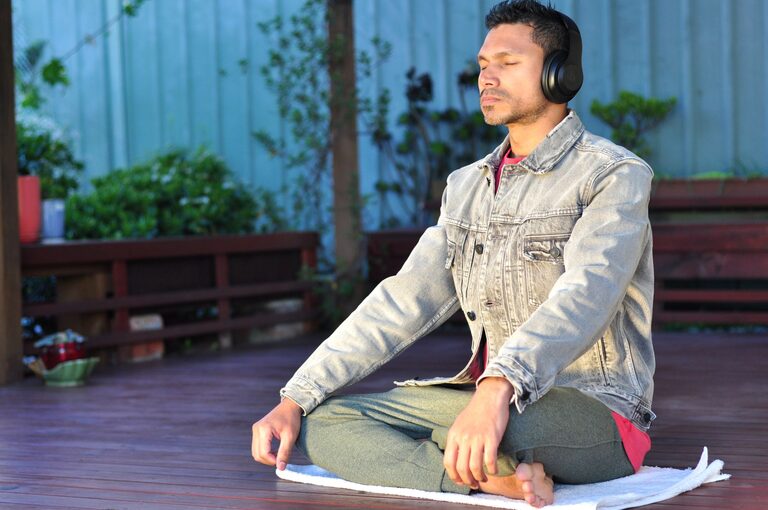
Simple Mindfulness Practices for Daily Life
Mindfulness is a simple yet powerful way to bring more calm, clarity, and balance into your everyday life. By paying full attention to the present moment without judgment, you can reduce stress, improve focus, and enhance your overall well-being. The best part? Mindfulness doesn’t require special equipment or hours of practice—it can be integrated into your daily routine with just a few simple techniques.
In this post, we’ll explore straightforward mindfulness practices you can start using today. Whether you’re new to mindfulness or looking for easy ways to stay consistent, these tips will help you cultivate a more mindful life.
What is Mindfulness?
Mindfulness means being fully present and aware of what is happening right now—your thoughts, feelings, bodily sensations, and surrounding environment—without trying to change or judge them. It encourages acceptance and openness.
Practicing mindfulness regularly can improve mental clarity, emotional resilience, and physical health. It’s a skill you can develop like any other by practicing small mindful moments throughout your day.
Benefits of Mindfulness in Daily Life
Before diving into specific practices, it’s helpful to understand what mindfulness can do for you:
– Reduces stress: Mindfulness helps calm the nervous system and lowers stress hormones.
– Improves concentration: Focusing on the present moment trains your brain to be less distracted.
– Enhances emotional well-being: Observing your emotions without overreacting promotes emotional balance.
– Supports better sleep: A relaxed mind from mindfulness can make falling asleep easier.
– Boosts self-awareness: Understanding your thoughts and habits allows for clearer decision-making.
Easy Mindfulness Practices to Try
Here are simple mindfulness exercises you can do anytime, anywhere:
1. Mindful Breathing
Focus your attention on your breath—the sensation of air entering and leaving your nose or the rise and fall of your chest or belly.
– Sit comfortably and close your eyes if you like.
– Take slow, deep breaths.
– Notice the feeling of the breath without trying to control it.
– When your mind wanders, gently return your focus to your breath.
Start with 1-2 minutes and gradually increase the time as you feel comfortable. Mindful breathing is a great way to anchor yourself wherever you are.
2. Body Scan
This practice involves paying attention to different parts of your body one at a time.
– Find a quiet place and sit or lie down comfortably.
– Close your eyes and bring awareness to your feet. Notice any sensations like warmth, tension, or relaxation.
– Slowly move your focus up through your legs, torso, arms, and head.
– Don’t try to change anything; just notice what you feel.
A body scan can help release tension and ground you in the present.
3. Mindful Eating
Make your next meal or snack an opportunity to practice mindfulness.
– Eat slowly and without distractions like TV or phones.
– Notice the colors, textures, and smells of your food.
– Take small bites and chew thoroughly.
– Pay attention to the taste and how your body feels as you eat.
Mindful eating can deepen your appreciation for food and improve digestion.
4. Mindful Walking
Turn a regular walk into a mindful experience by focusing fully on the act of walking.
– Walk at a comfortable pace.
– Feel your feet touching the ground with each step.
– Notice the movement of your legs and arms.
– Observe the sights, sounds, and smells around you without judgment.
Even a short mindful walk can refresh your mind and body.
5. Five Senses Exercise
Activate all your senses to reconnect with the present moment.
– Pause and take a few deep breaths.
– Name 5 things you can see.
– Name 4 things you can feel.
– Name 3 things you can hear.
– Name 2 things you can smell.
– Name 1 thing you can taste.
This exercise quickly grounds you by engaging your senses.
Tips for Incorporating Mindfulness into Your Day
Mindfulness doesn’t have to be a formal practice. Here are ways to weave it into your daily routine:
– Set reminders on your phone to pause for a moment of mindful breathing.
– Choose everyday activities (like brushing your teeth or waiting in line) to practice mindful awareness.
– Start your morning with a brief mindfulness exercise to set a calm tone for the day.
– Keep a mindfulness journal to note your experiences and progress.
– Be patient—mindfulness is a skill that improves with regular practice.
Overcoming Common Challenges
Starting mindfulness practice can sometimes feel difficult. Here are ways to overcome common obstacles:
– Mind wandering: It’s natural for your mind to drift. Gently bring your focus back each time.
– Restlessness: If sitting still feels hard, try mindful movement like walking or gentle stretching.
– Lack of time: Even 1-3 minutes of mindfulness can make a difference. Start small and build up.
– Self-judgment: Approach your practice with kindness and openness—no perfect mindfulness exists.
Final Thoughts
Mindfulness is a simple but effective tool you can use anytime to bring more peace and presence into your life. By trying out these easy practices, you can create a daily habit that supports your mental and emotional health. Remember, the goal is not to stop your thoughts but to change your relationship with them. Start small, stay consistent, and enjoy the benefits of living more mindfully each day.
